In the golden autumn of Qingdao, the fields are shimmering with gold, and the branches are laden with fruit, everywhere brimming with the vitality of harvest and the vigorous energy of industry.
Recently, the "Mountains and Seas Cultivating Wisdom, Superior Products Revitalizing Agriculture" 2026 Qingdao Brand Agriculture Media Tour organized reporters to visit key agricultural areas such as Laoshan, Chengyang, Jimo, Laixi, and Jiaozhou. The tour explored agricultural product quality supervision centers, smart agricultural industrial parks, modern processing workshops, characteristic rural complexes, and rural revitalization zones, comprehensively decoding Qingdao's core achievements in areas such as agricultural product quality and safety management, scientific prevention and control of animal diseases, innovative applications of smart agriculture, upgrading of the entire industrial chain, deep integration of agriculture, culture, and tourism, and international brand export. This initiative aims to provide a clear blueprint for the high-quality development of modern urban agriculture.
This media tour not only served as a comprehensive review of Qingdao's achievements in modern agricultural development, but also became an important window for observing the transformation and upgrading of agriculture in coastal metropolises, cultivating new agricultural productivity, and promoting the comprehensive revitalization of rural areas.
Based on the national strategy for agricultural modernization, Qingdao has always aligned itself with central government policies. The No. 1 Central Document of 2026 focused on the modernization of agriculture and rural areas, explicitly proposing to vigorously cultivate new agricultural productivity, promote the deep integration of digital technologies such as artificial intelligence, the Internet of Things, intelligent agricultural machinery, and drones with agricultural production, and comprehensively strengthen science and technology agriculture, green agriculture, quality agriculture, and brand agriculture, thereby promoting the upgrading of the entire agricultural industry chain and providing direction and guidance for the high-quality development of agriculture nationwide.
As a coastal open city that integrates urban and rural areas, Qingdao leverages its triple advantages of mountain and sea resources, openness, and scientific and technological talent to deeply explore agricultural scientific and technological resources, industrial foundation, and locational advantages. It cultivates new agricultural productivity that is suitable for urban development, meets market demands, and has international competitiveness, and is making every effort to promote the construction of a strong city of modern urban agriculture that is empowered by intelligence, green and high-quality, brand-led, and integrated and efficient. It also promotes the accelerated upgrading of traditional agriculture towards digitalization, standardization, branding, and internationalization.
A set of impressive figures testifies to the strong resilience of Qingdao's modern agriculture: Facing a complex and ever-changing international trade situation and market environment, Qingdao's agricultural foreign trade bucked the trend and grew in the first half of 2026, with agricultural product exports reaching 26.2 billion yuan, a year-on-year increase of 11.4%, accounting for 30.8% of the province's total, continuing to lead similar large and medium-sized cities nationwide. This achievement not only demonstrates the steady leap in the scale, quality, and level of the industry, but also highlights Qingdao's solid foundation in cultivating the modern agricultural sector, strengthening export-oriented industries, and serving the overall opening-up strategy of the province.
Deep processing improves quality.
Standards empower agricultural products to reach wider markets
Whether agricultural products can go global, gain a foothold, and earn premium prices depends not on the size of the output, but on the length of the industrial chain, the degree of standardization, and the added value. Qingdao has broken free from traditional thinking and closely followed the central government's deployment to "promote the development of the entire agricultural industrial chain, increase added value, and promote farmers' income growth." It insists on the synergy of the production chain, industrial chain, and income chain, using standardization to solidify the quality foundation, industrialization to extend the value chain, and benefit linkages to drive common prosperity for the masses. This has completely reversed the extensive "sell and forget" model and propelled traditional agriculture towards a modern industry with high added value, strong driving force, and sustainability.
Currently, Qingdao's modern agricultural industry system has formed a tiered and clustered development pattern, establishing two 100-billion-yuan-level, eight 10-billion-yuan-level, and 15 1-billion-yuan-level modern agricultural industrial chains. It has gathered over 1,100 large-scale processing enterprises, building a massive, comprehensive, and complete processing industry foundation. The export structure of agricultural products has been continuously optimized, achieving a leap from exporting primary raw materials to large-scale and branded exports of deeply processed products, standardized pre-prepared ingredients, and functional agricultural products. Market bargaining power, risk resistance, and industry profitability have been significantly enhanced.
The transformation of Laixi, known as the "Hometown of Peanuts in China," is quite representative. The local peanut planting area has remained stable at over 200,000 mu (approximately 13,333 hectares), with per capita consumption leading the country. However, it had long been relegated to the low end of the value chain: farmers sold their harvested peanuts at low prices to middlemen, resulting in meager profits per mu and making them highly vulnerable to market price fluctuations. In recent years, Laixi has made concerted efforts to promote industrial upgrading: online, it has cultivated over 30 leading e-commerce enterprises and over 1,100 agricultural e-commerce entities. Local brands such as "Yidouliang" ship over 20,000 orders daily, with annual sales exceeding 100 million yuan, delivering high-quality peanuts directly to tables across the country. Offline, it has focused on intensive processing, upgrading from a single roasted peanut ingredient to high-value-added products such as refined peanut oil, flavored peanut butter, coated peanut snacks, and peanut protein products. Qingdao Baoquan Peanut Products, a leading local enterprise, exported nearly 60 million yuan worth of peanuts in the first eight months of this year, with its products reaching Europe and Asia, becoming a benchmark for Laixi's agricultural products going global.
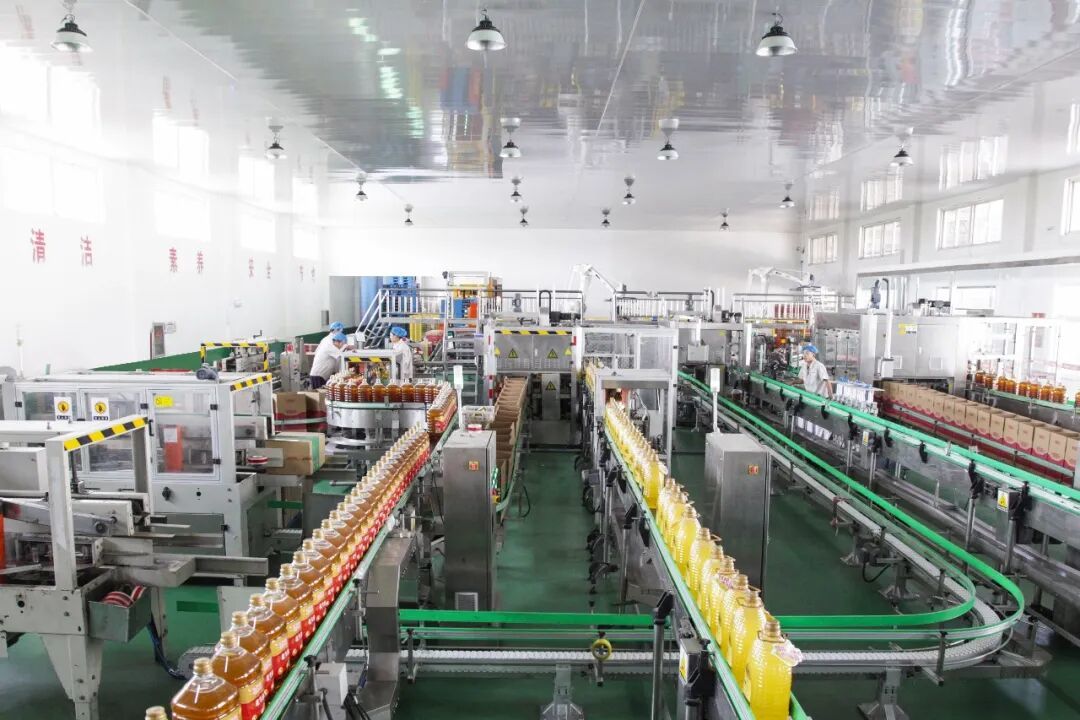
Image provided by Qingdao Municipal Bureau of Agriculture and Rural Affairs.
Standardization and internationalization are the core keys for Qingdao agricultural products to seize the global market. Qingdao Dingtai Dongsheng Food Co., Ltd. in Laixi has risen to become the number one exporter of pumpkin seeds in China in just five years, thanks to its stringent quality control and international standard certifications. Its output value is projected to exceed 200 million yuan in the second quarter of 2026. The core support behind this success lies in its BRC A+ global highest-level food safety certification, FDA, EU organic, HALAL, and other international qualifications—these authoritative certifications are the passports for its products to penetrate the high-end European market and establish a foothold in the international arena.
The livestock and poultry export sector has also achieved a leapfrog upgrade. Qingdao Jiulian Group has built a closed-loop industrial chain from breeding chickens, feed production, ecological farming, slaughtering and processing, cold chain storage and transportation to foreign trade exports. With its advantages of stable quality, strict standards and full traceability, it has ranked first in China for broiler chicken exports to Japan and Europe for 17 consecutive years, and its exports to the EU account for 60% of the national total. From "selling raw materials at low prices" to "selling standards at high prices", from "passive OEM" to "actively going global with licenses", Qingdao's agricultural product processing industry has completed a qualitative leap and a reshaping of its identity.
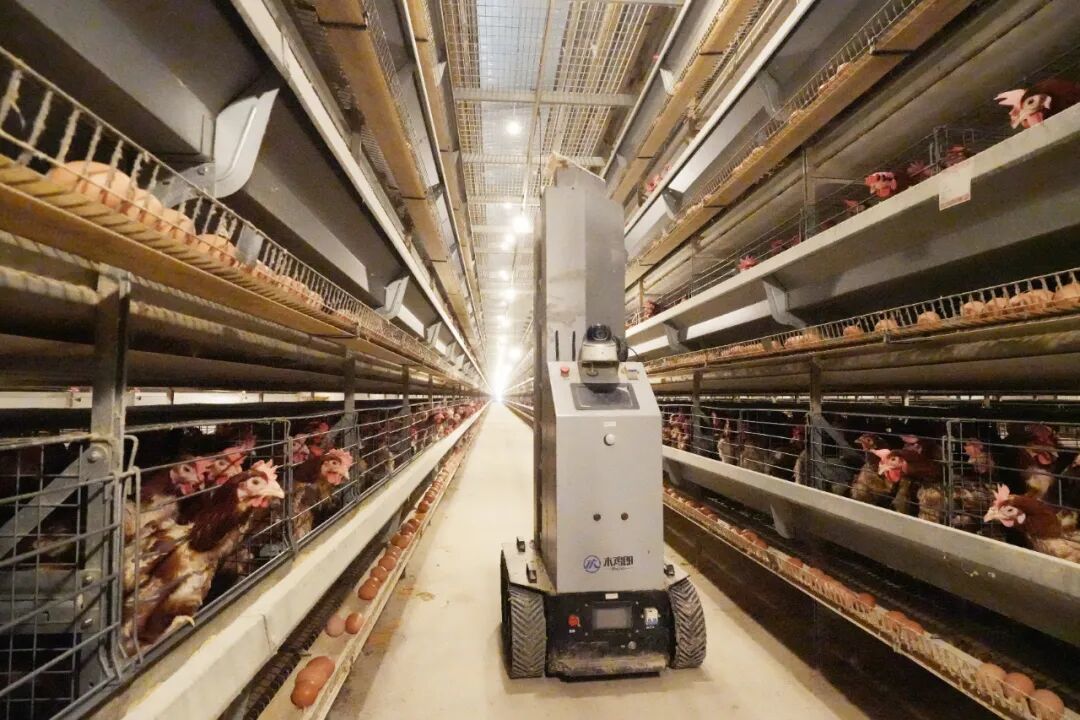
Image provided by Qingdao Municipal Bureau of Agriculture and Rural Affairs.
Building upon its existing product exports, Qingdao has further launched a new model for the internationalization of its entire product, technology, standards, and brand supply chain, upgrading from simply exporting products to exporting its entire industry. Lulin Dehydrated Vegetables has established a standardized white onion planting and processing base in Kazakhstan, Fusheng Foods has set up an overseas trade warehouse in Russia, and Lulu Agricultural Machinery is expanding its modern chili agricultural park in Turkey. The Qingdao Municipal Bureau of Agriculture and Rural Affairs has included supporting enterprises in building overseas planting and breeding bases and establishing overseas warehouses as a key focus of its annual work, leveraging both policy support and market practice to continuously expand the global reach of Qingdao agricultural products. Qingdao agriculture has fully transformed from "single-minded focus on production" to "systematic focus on the supply chain," and from "single-product focus on sales" to "comprehensive industry development," effectively building agriculture into a modern, prosperous industry through comprehensive quality improvement, value-added services across the entire supply chain, and industry-wide integration.
Digital empowerment for transformation
Sweat-based agriculture is moving towards smart farming.
If intensive processing and standardized export have solved the problems of "how to sell, sell at a high price, and sell far," then smart agriculture and digital empowerment have completely rewritten the underlying logic of traditional agriculture: "how to plant, plant well, and plant efficiently." This has propelled Qingdao's agriculture from "sweat agriculture," which relies on the weather and experience, to "smart agriculture," which relies on data, intelligence, and technology.
Stepping into the digitally integrated greenhouse in Yifengdian Town, Jimo District, the traditional farming scene has been completely transformed. With a tap of their mobile phones, staff can control terminal equipment, and systems such as integrated water and fertilizer irrigation, intelligent temperature control, automatic ventilation, light regulation, and humidity control will operate automatically. This enables all-weather, fully automatic, and precise control of the five major elements of light, temperature, water, air, and fertilizer. Intelligent planting has become the norm for facility agriculture in Qingdao.
Relying on the city's integrated agricultural and rural big data platform, Qingdao has built a comprehensive and multi-dimensional digital agricultural management and control system. The platform integrates 18 digital application modules, collects over 89 million pieces of basic agricultural data, and connects in real-time with over 1,300 "vegetable basket" production bases, enabling comprehensive and visualized management of soil moisture, crop growth, park environment, pest and disease monitoring, and quality control. Once abnormal indicators are detected, the system automatically issues warnings and provides precise push notifications, enabling early detection, early handling, and early rectification of problems. Digital management and control significantly improves the precision of agricultural production. In Pingdu City's Liaolan Town Digital Edible Mushroom Park, relying on the big data platform's early warning mechanism, managers can complete precise adjustments within half an hour after temperature and humidity exceed standards, effectively avoiding disease risks and ensuring mushroom quality. In Laixi, relying on the "smart brain" of digital agriculture for precise management of zero-pesticide-residue high-end tomatoes, these tomatoes, priced at 28 yuan per box, have entered first-tier city boutique supermarkets, and the quality and brand premium brought by technological empowerment have been fully validated by the market.
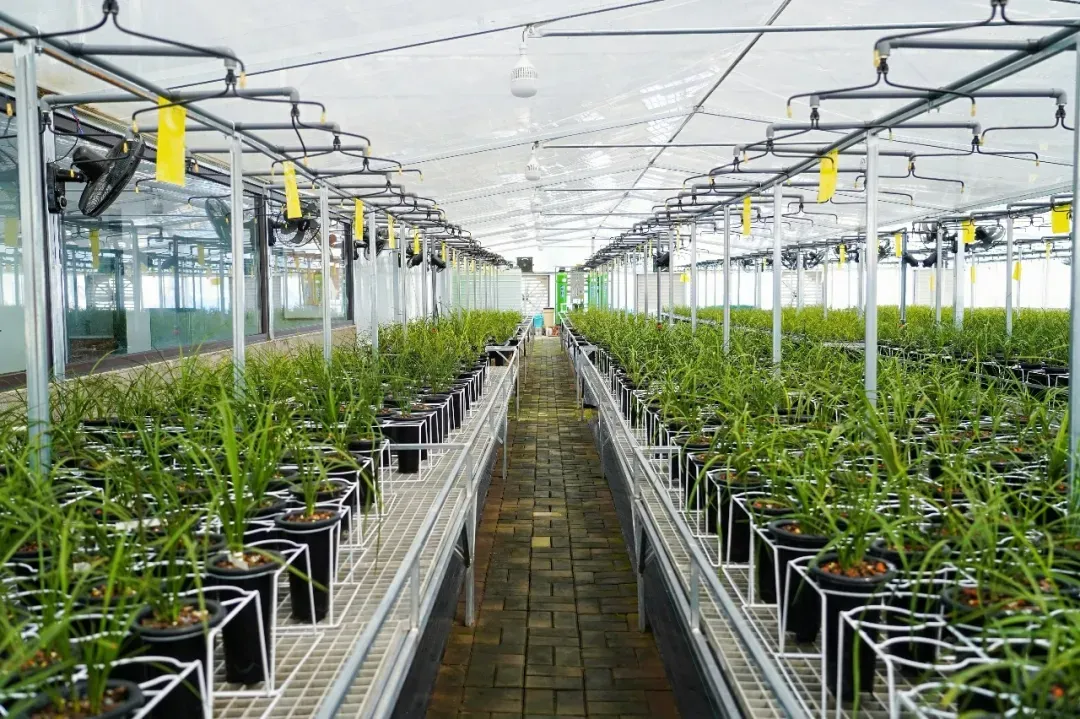
The ultimate goal of digital agriculture is to improve quality, increase efficiency, and enrich farmers. Qingdao has promoted integrated water and fertilizer intelligent planting technology throughout the city, achieving water savings of 30%, fertilizer savings of 20%, and yield increases of over 10%, demonstrating significant cost-saving and efficiency-enhancing effects. In 2025, the wheat yield in demonstration fields reached 886.9 kg per mu, breaking Qingdao's historical record. Plant protection drones and intelligent agricultural machinery are now widely used, capable of operating on up to 500 mu per day, reducing labor costs by 80%, and significantly addressing the pain points of traditional agriculture such as labor shortages, low efficiency, and high losses. Currently, Qingdao has established 2 national-level digital agriculture innovation application bases, 6 municipal-level digital agriculture demonstration parks, and 139 smart agriculture application bases, with digital agriculture scenarios being fully deployed and implemented across the city. Digital transformation is not merely an upgrade of tools and equipment, but a profound restructuring of agricultural production models and relations. Today, a single caretaker can manage multiple smart greenhouses simultaneously, and a mobile phone can control an entire field and monitor the entire planting and breeding process. Agricultural production has completely broken free from the high-intensity labor mode, significantly reducing labor intensity and continuously increasing the attractiveness of the profession. Modern agriculture is gradually becoming an efficient, respectable, and promising emerging industry.
Brand and channel efforts go hand in hand.
High-quality products connect global markets
Technology empowers production, standards solidify quality, and brands and channels serve as crucial bridges connecting high-quality agricultural products with a vast market. For many years, Qingdao has been deeply committed to building the "Qingdao Agricultural Products" regional public brand, adhering to the principles of establishing the brand through quality, expanding the market through the brand, and enriching the people through the market, continuously constructing a multi-level, comprehensive, and high-value agricultural brand matrix.
Currently, the city boasts 22,000 registered agricultural trademarks and has cultivated 64 provincial-level well-known agricultural product brands and 248 municipal-level well-known agricultural product brands, with the brand agglomeration effect continuing to stand out. In 2025, online retail sales of agricultural products exceeded 15.1 billion yuan, with online and branded consumption becoming new main drivers of agricultural income growth. Among them, Jiaozhou cabbage, with its millennia-old cultivation history and stable quality, commands a price of over 50 yuan per head and is exported to more than 30 countries and regions worldwide, becoming a renowned "Chinese vegetable brand" both domestically and internationally.
A true agricultural brand is more than just a label; it's a stable commitment to quality, a trustworthy consumer reputation, and a sustainable value premium. To facilitate smooth domestic and international sales channels, Qingdao continues to build high-end, international trading platforms. Since its opening in 2024, the Jiaozhou SCO International Green Agricultural Products Expo and Trading Center has seen online transactions exceeding 200,000 tons and a transaction value surpassing 3 billion yuan. It regularly connects with 15 SCO member states and countries participating in the Belt and Road Initiative, becoming a core hub for Qingdao agricultural products to reach the Asian and European markets. The International Chili and Seasoning Trade Fair held in May 2025 resulted in on-site orders exceeding 300 million yuan, effectively boosting export revenue for Qingdao's distinctive and advantageous industries.
Online channels are flourishing and achieving innovative breakthroughs. Laixi has innovatively launched a three-year action plan for village Party branch secretaries to promote e-commerce through live streaming, using Party building to guide e-commerce development, revitalize rural e-commerce, and open up the shortest production and sales chain from "fields directly to the cloud, and from the cloud directly to the table," allowing rural products to leave the mountains and reach the whole country.
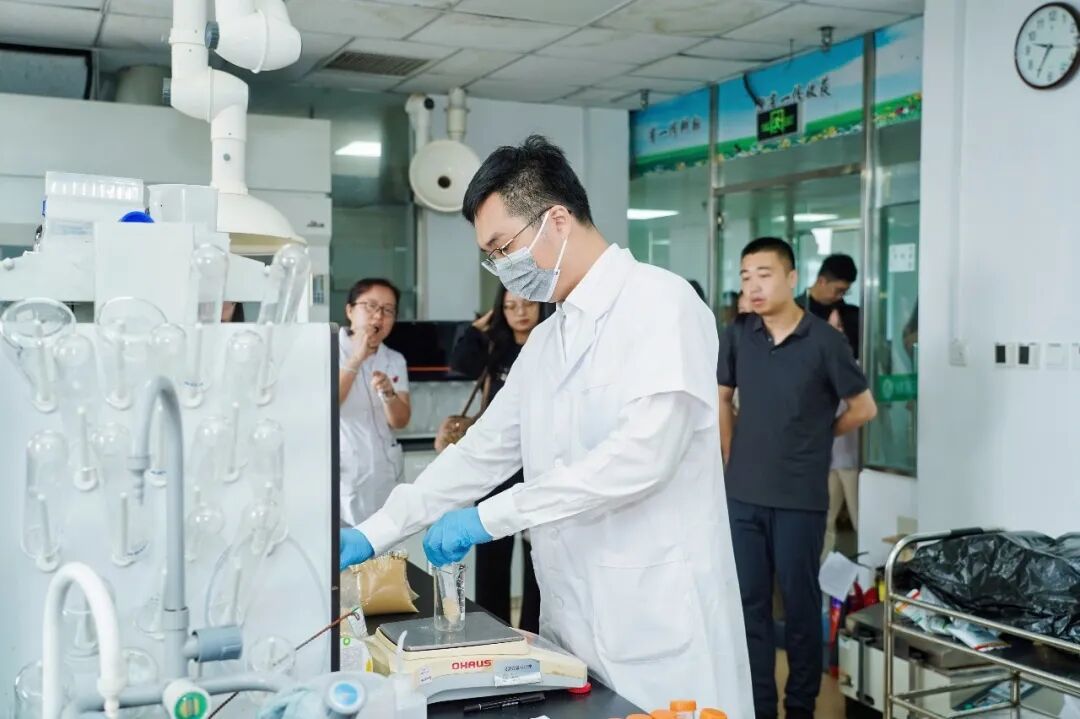
To continuously lower the barriers to overseas markets and enhance international credibility, Qingdao has innovated its cross-border testing and certification model. In September 2025, the Qingdao Municipal Institute of Product Quality Inspection and Research reached a strategic cooperation agreement with the Hong Kong Standards and Testing Centre, innovatively constructing a new cross-border certification service model of "Qingdao testing, Hong Kong certification." Local agricultural products can obtain internationally authoritative certification qualifications without leaving Qingdao, significantly reducing testing and certification time and lowering overseas costs, providing a solid guarantee for the bulk, affordable, and high-end export of agricultural products.
From showcasing over a hundred premium agricultural products at domestic and international exhibitions to establishing a stable global sales network; from digital precision farming in smart greenhouses to value-added upgrades across the entire processing chain, Qingdao's modern agriculture has achieved a clear and remarkable path to high-quality development: intelligent technology enhances production efficiency, stringent standards solidify quality, and premium brands seize market dominance. These three elements complement each other, creating a closed-loop system that builds Qingdao's core competitiveness in modernizing and internationalizing agriculture. Smart agriculture provides technical support for standardized production, a standardized system lays a solid foundation for brand development, and brand channels expand market space for high-quality products. This progressive and interconnected approach addresses the traditional agricultural challenges of low productivity, unstable quality, narrow sales channels, and low added value.
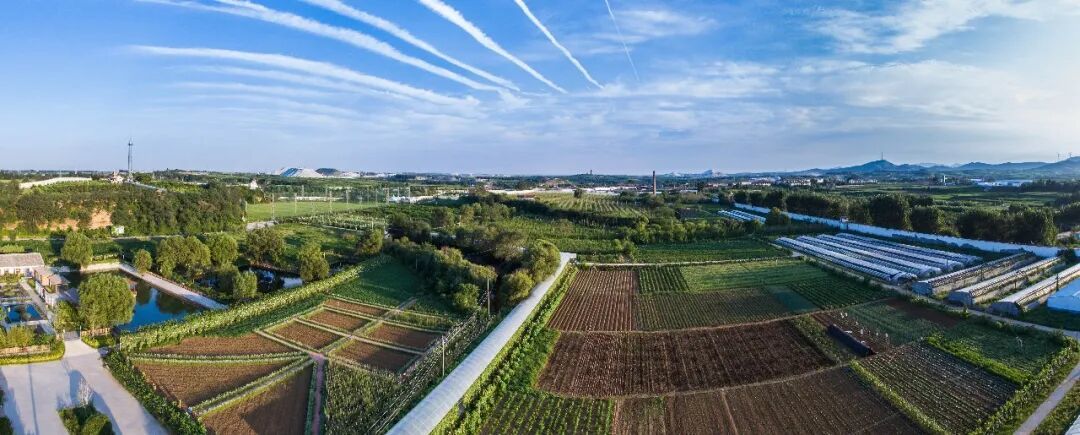
Image provided by Qingdao Municipal Bureau of Agriculture and Rural Affairs.
"Cultivating Wisdom and Excellence in Agriculture: Revitalizing Farmers with Superior Products" is not only the theme of this media tour but also the core secret to Qingdao's modern agricultural transformation and upgrading. Intelligence is the means of empowerment, superior products are the core achievement, and revitalizing agriculture is the ultimate goal. Based on the new development stage and focusing on cultivating new agricultural productivity, Qingdao is transforming agriculture with industrial thinking, empowering agriculture with digital tools, and strategically positioning itself with a global perspective, continuously promoting the iteration, quality upgrading, and value enhancement of the agricultural industry. In the future, Qingdao will continue to cultivate technology-driven agriculture, green agriculture, quality agriculture, and branded agriculture, continuously strengthening the entire industrial chain, polishing its premium brands, and expanding its global reach, allowing more high-quality Qingdao agricultural products to reach the world stage. Through high-quality development of modern urban agriculture, Qingdao will continuously empower the comprehensive revitalization of rural areas and contribute to the modernization of agriculture and rural areas.